
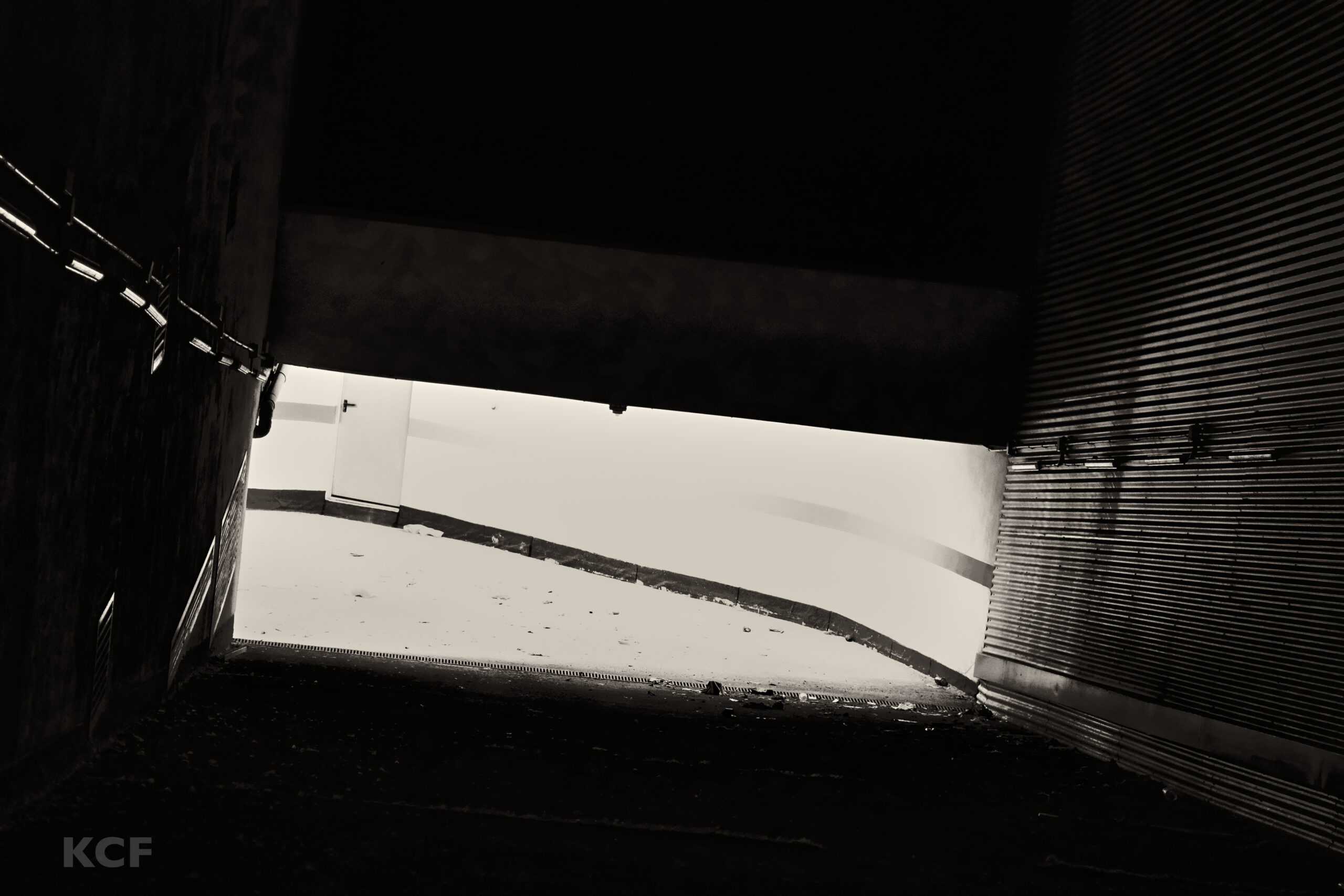
If there has been one constant in my life, through all the many years, it has been that craving to connect.
As a teenager, enjoying my very first taste of free will, I would take the bus across the Bay Bridge to San Francisco and walk the streets of the beautiful city and sit on the steps of the Opera House and watch the people go by. I could stay there for hours watching, waiting, dreaming. I had no plan, no urgency, just expectation. The city teeming with strangers whose lives I couldn’t begin to imagine, excited me.
And the two people I knew who lived in San Francisco — Michael and Aina, relatives of mine whom I adored — hosted dinner parties many times a week, went to all the cultural events and lived in a Victorian townhouse beautifully restored that boasted jaw-dropping views of the Transamerica Pyramid, the Bay Bridge and the East Bay hills, where I came from and where I would go back to after every visit. I would descend Russian Hill wrapped tightly in my coat against the moist, bracing fog to take the subway back home, revisiting the people I had met and the things I had learned at Michael and Aina’s. They lived the lives I wanted to live when I grew up.
I loved that city. San Francisco was elegant and lyrical and refined in a way that New York would never be. I would climb Nob Hill to admire the magnificent Fairmont and Mark Hopkins hotels, Grace Cathedral, the Pacific-Union Club in the brazen Flood mansion. I would stroll through North Beach, visit City Lights Books and sit with a coffee and my notebook in a café where the juke box played Italian opera. The world, viewed from the Seven Hills of San Francisco, looked to be a beautiful place. I knew that there were bigger and greater cities, but I was content back then to believe that SF, its legacy, its artistry were a taste of all that would come.
Other times I would ride the 38 Geary to the far end of the city to where the cliffs dropped into the Pacific Ocean and the magnificent Legion of Honor museum rose on its hilltop shimmering among the trees. I loved its majesty and loneliness. I felt a kindred spirit in that place. I too felt majestic and I too felt lonely.
—
I was born an outsider. It is not a condition nor a caste but a state of mind. Even in my own life, a part of me is always on the outside looking in, as if it were happening to someone else. I have two lives: I am the observer. And I am the observed. I look at my struggles, my aspirations, my pettiness and my grandeur and I say to myself, “There go those silly humans again!”
The American in me would like to conceive of himself as a doer and indeed there have been times where I have roused myself to action but at my core I am a dreamer with a touch of desperation. Sailing off to Argentina. Starting a band and touring the world. Shooting portraits. Learning to dance. Writing my heart out. These are just my desperate acts.
—
I knew I had to leave, make my getaway. For all that I loved where I was born and raised — evident in how the memories of all these places come back to me even now — I knew that if I stayed I would be condemned to smallness. Precisely because I am so deeply nostalgic, I knew I ran a great danger if I did not get far away.
It has become painful to go back. Most everyone I loved has died or left town. It is easier to stay away and live with the memories. Gertrude Stein, also raised in Oakland, said it well and famously: When you go back home what you find is that “there is no there there.”
Isadora Duncan and Imogen Cunningham and my grandmother with her throaty smoker’s voice and all my parents, my sister Shannon and Michael and Aina, they’re all gone. The orchards have all become subdivisions. There is no place to go back to and what magic there was left with them.
That’s life. You either consciously pack up and leave the past behind or it is ripped out from under you.
—
I am in Madrid these days working on a recording project. I admire the bustle and energy on the streets and dedication to living well. Walking around, I am astounded by the architecture and — coming from Buenos Aires — the way it is maintained. I have taken many pictures of beautiful places.
But this morning the photograph I woke dreaming of was the one you see here: a ramp to a seemingly empty parking garage, strewn with garbage.
But in that emptiness, in that grunge, I see all the magic and potential of one of Michael and Aina’s dinner parties with their tossed pasta and the artisan-made water goblets of deep purple glass strewn with swaths of metallic glimmer.
In the end, it is the human spirit that turns an abandoned parking garage into the beginning of a poem or a meditation on the past, both its power and its futility. We transform the dry and desperate into the shimmerings of beauty.
After all, this is why we are here. This is how we connect.
If you enjoyed this, join me here to get Little Epiphanies each week: https://kevincarrelfooter.com/join/

Leave a Reply